How to Transition from Traditional to Modern Farming Techniques

Introduction

Transitioning from traditional farming methods to modern techniques can be daunting for many farmers. However, embracing innovation doesn’t mean abandoning traditional practices; instead, blending the best of both worlds to improve productivity, sustainability, and profitability. At Tulor Farming Tech, we guide farmers in adopting modern practices seamlessly while preserving the wisdom of their traditions. Here’s how you can navigate this transformation effectively.

1. Start Small with Incremental Changes

Switching to modern methods doesn’t have to happen overnight. Begin with small, manageable changes that complement your current practices.

Example:

  • Introduce precision farming tools like soil sensors to monitor moisture levels.
  • Use drip irrigation systems alongside your traditional watering methods.

Tip: Focus on one or two areas, such as irrigation or pest control, before expanding to other practices.

2. Leverage Technology for Efficiency

Modern technology enhances traditional farming methods by making them more efficient and precise.

Tech to Consider:

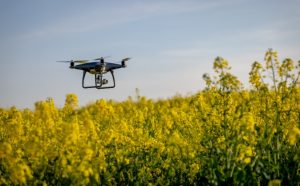
  • GPS and Drones: Use these tools to map fields, monitor crop health, and optimize planting patterns.
  • Smart Irrigation Systems: These systems reduce water usage while ensuring crops get hydration.

Tip: Invest in user-friendly technologies that require minimal training to integrate into your farm.

3. Maintain Soil Health with a Balanced Approach

Traditional farming often emphasizes natural soil management practices like crop rotation and organic composting. Modern methods like soil testing and precision fertilization can complement these.

Blended Approach:

  • Continue using compost or manure to enrich the soil.
  • Incorporate data-driven techniques to apply fertilizers only where needed.

4. Preserve Local Wisdom and Practices

Traditional farming methods often include time-tested practices tailored to local climates and ecosystems. Instead of replacing them, modern techniques should enhance these traditions.

Example:

  • Combine traditional pest deterrents like neem oil with modern biopesticides.
  • Use local seed varieties and pair them with modern irrigation and planting techniques.

5. Seek Education and Support

Farmers can benefit from workshops, tutorials, and online platforms like Tulor Farming Tech to learn how to adopt new practices effectively.

Tip: Engage with agricultural advisors or local farming communities to exchange knowledge and gain hands-on training.

Conclusion

Transitioning from traditional to modern farming techniques is about evolution, not replacement. Farmers can achieve greater efficiency, higher yields, and long-term sustainability by blending time-tested practices with innovative solutions. At Tulor Farming Tech, we provide practical guidance and resources to help farmers embrace change without losing their agricultural heritage. Start your journey toward modern farming today while honoring your roots.

#ModernFarming #TraditionalFarming #SustainableAgriculture #FarmTransition #TulorFarmingTech #AgriculturalInnovation #PrecisionFarming #BlendedFarming #SmartAgriculture #FarmersGuide

Recent Posts

Top 10 Modern Farming Techniques Every Farmer Should Know

Introduction Agriculture is evolving rapidly, driven by technological advancements and sustainable practices designed to increase productivity while protecting the environment. Modern farming techniques maximize efficiency and address critical challenges like resource scarcity and climate change. Here are the top 10 innovations every farmer should know, as highlighted by Tulor Farming
Read More »

The Importance of Water Conservation in Agriculture

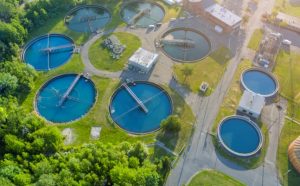
Introduction Water is the lifeblood of agriculture, yet it is becoming an increasingly scarce resource due to climate change, population growth, and competing demands from other sectors. Efficient water management is crucial for sustaining agricultural productivity and ensuring global food security. At Tulor Farming Tech, we empower farmers with innovative

Read More »

Seasonal Planting Guide: What to Plant and When

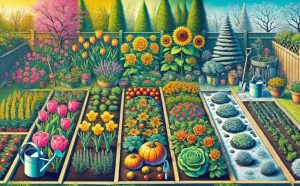
Introduction Successful farming hinges on timing, and understanding what to plant during each season can make all the difference. To maximize yields, seasonal planting considers your region’s climate, soil conditions, and crop preferences. At Tulor Farming Tech, we provide farmers and enthusiasts with tailored guidance to optimize planting schedules for

Read More »